Tamsa Tirth Trail: River Cruise Through Mythical Sacred Lands
The rivers of India have long carried stories of faith, history, and civilization. Among these lesser-known spiritual routes, the Tamsa Tirth Trail offers a memorable blend of mythology, natural beauty, and cultural heritage. Flowing through landscapes associated with ancient scriptures, this is a sacred journey. That firstly introduces travelers to tranquil riverbanks, historic shrines, timeless villages, and peaceful forests. Unlike crowded pilgrimage destinations, this trail allows visitors to slow down, reflect, and appreciate traditions. That have endured for centuries. You may be exploring by boat or following the river on land. Every stop meanwhile reveals another chapter of India's spiritual legacy.

Discover the Sacred Legacy of the Ancient River
The Tamsa River occupies a respected place in Indian mythology. Ancient texts describe its peaceful banks as places where Sharada Peace Float sages meditated and travelers found refuge. According to traditional beliefs, Lord Rama spent time near the river during his exile. That further makes the surrounding region deeply significant for devotees.
Today, the Tamsa Tirth Trail remains a symbol of serenity rather than commercial tourism. Pilgrims, historians, and nature lovers visit its banks to firstly experience the calm atmosphere. Meanwhile, they learn about stories preserved through generations. The combination of mythology and authentic rural culture creates a destination unlike many mainstream pilgrimage circuits.
Experience a Peaceful River Cruise Through Timeless Landscapes
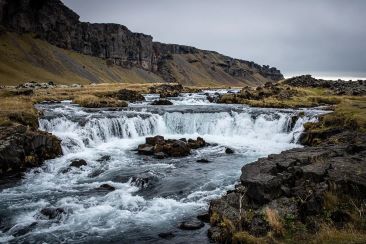
The Tamsa Tirth Trail along this sacred waterway offers a unique perspective of the surrounding countryside. Gentle currents carry visitors past green fields, quiet villages, ancient ghats, and wooded stretches. That further remain largely untouched by urban development.
Unlike luxury cruises designed for entertainment, this experience emphasizes relaxation and cultural discovery. Local boat operators often share folklore connected with different riverbanks. That firstly enrich the journey with stories that cannot be found in guidebooks. Morning and evening rides are especially rewarding because the soft sunlight creates beautiful reflections across the water.
Explore Mythological Sites Connected with Ancient Epics
Many locations along the river are linked with episodes from the Ramayana and other sacred traditions. Firstly, The Ancient Name of Tamsa river is Tamasa nadi. Local communities continue to preserve these stories through festivals, oral history, and temple rituals.
Small shrines dedicated to Lord Rama, Goddess Sita, and revered sages appear throughout the route. Although some structures have been renovated over time, many still retain traditional architecture and spiritual charm. Visitors interested in mythology often appreciate the opportunity to witness living traditions instead of simply reading about them.
These sacred landmarks firstly help transform an ordinary sightseeing trip into a meaningful cultural experience.
Visit Historic Temples and Sacred Ghats
The route further features several riverside temples where pilgrims gather throughout the year. These places of worship may not be famous internationally, yet they reflect centuries of devotion and regional craftsmanship.
Stone steps leading into the river create peaceful ghats. There, morning prayers, evening lamps, and ritual bathing further continue according to age-old customs. Temple bells, devotional songs, and incense combine to create a soothing atmosphere that appeals even to non-religious travelers.
Photography enthusiasts also enjoy capturing the beautiful architecture alongside reflections of ancient shrines on the calm river surface.
Immerse Yourself in Rural Culture and Local Traditions
One of the most rewarding aspects of the journey is the opportunity to experience authentic village life. Communities along the river continue to follow traditional lifestyles shaped by agriculture, seasonal festivals, and spiritual practices.
Visitors often encounter local artisans producing handmade crafts, pottery, woven textiles, and traditional household items. Village markets showcase regional produce while local kitchens prepare simple meals using fresh ingredients sourced nearby.
Conversations with residents meanwhile provide valuable insight into customs. That have remained unchanged despite rapid modernization elsewhere.
Discover Rich Biodiversity Along the Riverbanks
Beyond its spiritual importance, the Tamsa Tirth Trail supports diverse ecosystems filled with native plants and wildlife. Trees lining the banks provide shelter for birds, butterflies, and small mammals that thrive within the peaceful environment.
Birdwatchers frequently spot kingfishers, herons, egrets, and migratory species during suitable seasons. The calm waters also support aquatic life that contributes to the ecological balance of the region.
Nature enthusiasts often combine bird photography with short riverside walks. That firstly create a perfect balance between wildlife observation and cultural exploration.
Best Time to Enjoy the Journey
Seasonal changes greatly influence the travel experience with Tamsa Tirth Trail. The period between October and March generally provides the most comfortable weather. That further make outdoor activities enjoyable throughout the day.
Winter mornings offer mist-covered landscapes that create magical scenery during boat rides. Pleasant temperatures also make temple visits and village walks more comfortable.
The monsoon transforms the surrounding countryside into vibrant shades of green. However, higher water levels may occasionally affect boating schedules. Summer remains quieter, although daytime temperatures can become challenging for extended sightseeing.
Planning according to seasonal conditions helps maximize both comfort and photography opportunities.
Essential Travel Tips for a Memorable Visit
Preparing in advance firstly allows visitors to enjoy the journey without unnecessary inconvenience. Comfortable clothing, walking shoes, drinking water, sunscreen, and a camera are useful companions throughout the trip.
Above all, respecting local customs remains equally important. Visitors should dress modestly while entering temples and avoid disturbing religious ceremonies. Seeking permission before photographing local residents demonstrates courtesy and cultural sensitivity.
Supporting local businesses by purchasing handmade crafts or enjoying regional cuisine also contributes positively to surrounding communities.
Nearby Attractions Worth Exploring
The sacred river route can easily become part of a broader cultural itinerary. Nearby heritage towns, ancient temples, archaeological sites, and peaceful countryside meanwhile offer additional opportunities for exploration.
Many travelers combine their visit with regional pilgrimage circuits that highlight India's rich spiritual traditions. Historic forts, traditional villages, forest reserves, and seasonal fairs add further diversity to the overall experience.
These nearby destinations allow visitors to extend their journey. Meanwhile, they gain a deeper appreciation for regional history and culture.
Why This Hidden Spiritual Route Deserves More Recognition
Many famous pilgrimage destinations attract thousands of visitors each day. While these places remain remarkable, they often feel crowded during peak seasons.
This lesser-known sacred river route offers something different. Peaceful surroundings firstly encourage reflection rather than hurried sightseeing. Travelers can spend meaningful time interacting with local communities, appreciating traditional rituals, and enjoying natural landscapes without crowds.
Its blend of mythology, ecological richness, rural heritage, and authentic spirituality creates an experience. That further appeals to modern travelers seeking meaningful destinations instead of commercial attractions.
Conclusion
The Tamsa Tirth Trail represents far more than a scenic river journey. It offers an opportunity to reconnect with mythology, witness enduring traditions, and explore landscapes. That have inspired devotion for generations. From peaceful boat rides and historic temples to welcoming villages and thriving wildlife, every part of the experience contributes to a memorable adventure. Travelers seeking cultural depth, spiritual reflection, and natural beauty will discover that this is a hidden river corridor. That further provides an enriching alternative to more crowded tourist destinations. Now a days, interest in heritage tourism continues to grow. This remarkable trail stands ready to further reveal one of India's most peaceful and meaningful travel experiences.