Mandakini Devotional Drift: Shikara Experience on a Sacred River
High in the Garhwal Himalayas, a river-Mandakini that flows with quiet devotion. A journey of Mandakini Devotional Drift blends faith, nature, and mindful travel into one peaceful experience. The Mandakini is not loud or dramatic everywhere. In many stretches, it is calm, reflective, and deeply spiritual. Travelers often rush past it on pilgrimages. Few pause to truly experience its presence. A gentle shikara ride changes that rhythm. It allows time to slow down and observe. The river becomes more than scenery. It becomes a companion.

The Mandakini River and Its Timeless Spiritual Legacy
The Mandakini River holds immense religious importance in Uttarakhand. It originates near Kedarnath, one of Hinduism's holiest shrines. Devotees believe its waters are blessed by Lord Shiva. Ancient scriptures mention sages meditating along its banks. For centuries, Bhagirathi Devotion Trail pilgrims have followed its course with reverence. The river is present in rituals, prayers, and local folklore. Even today, villagers treat it as a living deity. Every ripple feels connected to belief, history, and continuity.
Why Shikara Ride Feels Different on Sacred River
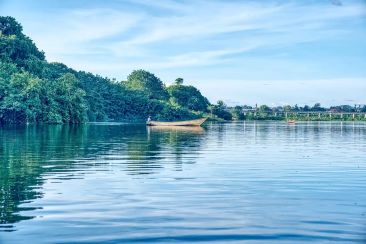
A shikara ride on a holy river carries a unique energy. The boat glides quietly, powered by steady hands. There is no engine noise or sudden movement. Silence becomes part of the Mandakini Devotional Drift journey. You hear water, wind, and distant temple bells. Unlike crowded ghats, this experience feels personal. It allows space for reflection. The river sets the pace. Travelers often feel grounded and calm. The experience becomes inward, not performative.
Understanding the Concept Behind the Experience
The idea behind the Mandakini Devotional Drift is simple. It invites mindful travel instead of hurried sightseeing. The shikara serves as a moving pause. It creates a space between destinations. Many visitors describe it as floating contemplation. The river carries stories of loss and renewal. Riding upon it feels symbolic. You are not conquering nature. You are accompanying it. This philosophy makes the Mandakini Devotional Drift deeply meaningful for thoughtful travelers.
Best Locations to Experience Calm Waters
Not every stretch of the Mandakini is suitable for boating. Shikara rides operate on wider, calmer sections. Areas near Rudraprayag are popular. The river slows here, creating safe conditions. Forested slopes surround these zones. Small shrines dot the banks. These locations balance accessibility and serenity. They also remain less crowded than major pilgrimage points. This setting allows uninterrupted connection with the river and landscape.
Seasonal Rhythms and the Ideal Time to Visit
The river changes character with seasons. Spring brings clear skies and gentle flow. Summer remains pleasant, especially during mornings. Monsoon months are dramatic but risky. Heavy rains increase currents and reduce visibility. Winter brings biting cold and limited services. The best months remain April to June and September to November. Early hours offer the most peaceful atmosphere. Light mist and soft sunlight enhance the spiritual mood.
Ritual Life Along the Riverbanks
Life along the Mandakini unfolds quietly. Locals perform daily prayers by the water. Flowers and lamps float gently downstream. Some pilgrims conduct ancestral rites at designated spots. These rituals are simple and sincere. They are not staged for visitors. Observing them from a shikara feels respectful. You remain a witness, not a participant. This distance preserves authenticity. It also deepens understanding of living traditions rooted in faith.
Natural Beauty Beyond Spiritual Symbolism
The Mandakini Devotional Drift offers striking natural charm. Pine and deodar forests line many banks. Snow peaks appear on clear days. The river mirrors changing skies. Birds skim across its surface. The scenery feels balanced and soothing. Unlike tourist-heavy rivers, this landscape remains understated. Nature supports the spiritual tone without overpowering it. For photographers, the light and reflections create subtle compositions. The beauty lies in restraint and harmony.
Local Boatmen and Community Connection
Shikara rides are operated by local residents. Many belong to families with long river associations. Their knowledge comes from lived experience. Conversations with them reveal stories of floods, faith, and survival. Choosing this experience supports local livelihoods. It also sustains traditional practices. The boats are manually rowed, reducing environmental impact. This human connection adds warmth. It reminds travelers that the river sustains both spirit and community.
Safety Practices and Responsible Travel
Safety remains a priority on sacred rivers. Operators choose calm zones carefully. Life jackets are often available on request. Boats avoid strong currents and crowded areas. Travelers should follow instructions closely. Responsible behavior is essential. Avoid littering or loud behavior. Respect ritual spaces and local customs. Sustainable tourism protects fragile ecosystems. It also ensures future generations can experience the river's sanctity.
How This Journey Differs from Other Water Experiences
Many water experiences focus on thrill or luxury. The Mandakini Devotional Drift is the one that focuses on stillness. There are no performances or commentary. The river itself becomes the narrative. Compared to rafting, the pace is meditative. Compared to lakes, the spiritual context feels deeper. The journey does not seek excitement. It seeks alignment. This distinction makes the Mandakini Devotional Drift unlike conventional boating attractions.
Practical Tips for First-Time Travelers
Dress modestly and comfortably. Weather can change quickly in the mountains. Carry a light jacket or shawl. Choose morning slots for fewer crowds. Keep devices on silent mode. Ask permission before photographing people or rituals. Avoid touching the water without guidance. Simple mindfulness enhances the experience. Enter the journey without expectations. Let the river reveal itself naturally.
Emotional and Reflective Impact on Visitors
Many visitors describe unexpected emotions. Some feel calm. Others feel reflective or grateful. The slow movement allows thoughts to settle. The river's history evokes humility. It reminds travelers of impermanence and continuity. Even brief rides leave lasting impressions. This emotional depth sets the experience apart. It becomes less about memory capture and more about inner awareness.
Integrating the Experience into a Pilgrimage
Pilgrims often visit Kedarnath and nearby shrines. This shikara ride complements such journeys well. It offers rest between temple visits. It also deepens spiritual understanding. Instead of moving from shrine to shrine, you pause. The river connects these sacred spaces. It carries prayers downstream. Experiencing it adds context to pilgrimage routes and rituals.
Who Will Find This Journey Meaningful
This experience of Mandakini Devotional Drift suits many travelers. Spiritual seekers find quiet reflection. Nature lovers enjoy gentle landscapes. Solo travelers appreciate solitude. Families find it educational and calming. Elders value its non-strenuous nature. It does not demand belief. It invites openness. Anyone seeking peace beyond crowded destinations will connect with this journey.
The Symbolism of Flow and Letting Go
Rivers symbolize life's movement. The Mandakini embodies this deeply. It has witnessed devotion and disaster. Yet it continues to flow. Riding upon it teaches acceptance. You observe without control. The boat follows the current gently. This symbolism resonates with many visitors. It becomes a lesson in patience and surrender.
Preserving the Sacredness for the Future
Growing interest brings responsibility. Authorities and communities aim to balance access and preservation. Limiting boat numbers helps maintain calm. Educating visitors protects rituals and ecology. Travelers play a crucial role. Conscious choices sustain sacred spaces. When respect guides travel, spirituality survives tourism pressures.
Conclusion: A Quiet Journey That Stays With You
The Mandakini River does not demand attention. It offers presence instead. A shikara ride upon its waters becomes a quiet dialogue. You listen more than you speak. You observe more than you act. This experience lingers long after departure. It reminds you that travel can heal. The Mandakini Devotional Drift stands as a gentle invitation. It asks you to slow down, reflect, and flow with grace.