Narmada Parikrama Cruise, Unforgettable river in Madhya Pradesh
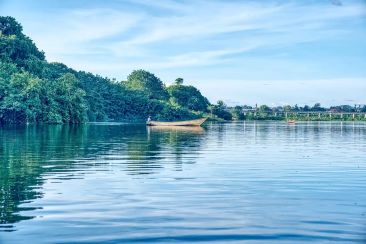
In the heart of India flows Narmada river that is worshipped, not crossed lightly. The Narmada Parikrama Cruise transforms an ancient pilgrimage idea into a meaningful travel experience. That blends spirituality, culture, and comfort into one seamless journey. The Narmada is not just a geographic feature of Madhya Pradesh. It is a living belief system, shaping traditions, daily routines, and centuries of devotion. Unlike many rivers associated with large cities, the Narmada moves quietly through forests, temple towns, and historic settlements. A river cruise along this sacred waterway offers a rare opportunity to slow down and observe life as it unfolds naturally.
The Mythological Importance of the Narmada River
The Narmada holds a unique position in Hindu mythology. Scriptures describe it as a river born from divine energy, making it eternally pure. Many believe that merely seeing the river cleanses the soul. Unlike other sacred rivers that require ritual bathing, the Narmada is said to grant blessings by sight alone. This belief has inspired generations of devotees to undertake the traditional parikrama, a complete circumambulation of the river on foot. A river cruise reflects the same reverence while offering a gentler path. Travelers gain insight into legends, saints, and stories that continue to shape local faith.
Evolution of River Cruising in Madhya Pradesh
River travel has always been part of life along the Narmada. Historically, boats carried goods, pilgrims, and messengers. In recent years, structured river tourism has revived this tradition. Carefully planned Narmada Parikrama Cruise now focus on cultural immersion rather than speed or luxury alone. Madhya Pradesh tourism has emphasized authenticity and sustainability. This evolution allows travelers to experience the river as people once did, with modern safety and comfort. The journey respects ancient values while adapting to present-day expectations.
Omkareshwar: The Spiritual Heart of the Journey
Omkareshwar is often considered the soul of the Narmada. Located on a river island shaped like the sacred “Om”, it houses one of the twelve Jyotirlingas of Lord Shiva. The temple dominates the landscape, drawing pilgrims throughout the year. From the river, the town appears timeless. Ghats descend gracefully into the water, where rituals continue from dawn to dusk. A visit here offers spiritual intensity balanced by serene surroundings. Evening aarti, viewed from the river, becomes a deeply moving experience for travelers.
Maheshwar: History, Architecture, and Living Heritage
Maheshwar adds historical richness to the river journey. Once the capital of the Holkar dynasty, it reflects Maratha architectural elegance. The riverside fort stands as a silent witness to royal life and administration. Maheshwar is also famous for its handwoven sarees, crafted using techniques passed down through generations. Walking through the town reveals narrow lanes, traditional homes, and artisans at work. The riverfront ghats here feel peaceful, inviting reflection and quiet exploration.
Mandla and the Tribal Soul of the Narmada
As the river flows eastward, Mandla introduces travelers to tribal heritage. This region is closely associated with the Gond community, whose traditions remain deeply connected to nature. The Narmada here feels raw and powerful, surrounded by forests and rocky terrain. Local folklore, music, and art reflect a worldview shaped by the river. Visiting Mandla offers cultural contrast, reminding travelers that the Narmada supports diverse identities beyond temple towns.
Daily Life Along the Riverbanks
One of the most enriching aspects of this journey of Narmada Parikrama Cruise is observing everyday life along the river. Early mornings reveal villagers collecting water, performing prayers, or preparing for work. Fishermen move silently across the surface, guided by experience rather than equipment. Farmers depend on the river's fertile banks for crops. Children play near ghats as elders share stories. These scenes are unscripted and genuine. The river acts as a lifeline, connecting generations through routine and ritual.
Natural Landscapes and Changing Scenery
The Narmada's course through Madhya Pradesh offers remarkable scenic variety. Dense forests give way to open plains. Rocky cliffs appear suddenly, then soften into gentle slopes. Wildlife sightings are common, especially birds. The river's color changes with seasons and light. Monsoon months bring dramatic flow and lush greenery. Winter offers clear reflections and calm waters. Each stretch of the river feels distinct, making the journey visually engaging without overwhelming the senses.
Onboard Experience: Comfort Rooted in Simplicity
Cruise vessels on the Narmada prioritize comfort while maintaining harmony with the environment. Cabins are thoughtfully designed to offer privacy and river views. Interiors often reflect local aesthetics rather than international luxury themes. Meals focus on regional vegetarian cuisine, prepared with care and balance. Dining becomes part of the cultural experience. Staff members often come from nearby communities, adding warmth and local insight to the journey. The atmosphere encourages relaxation and mindfulness.
Culinary Traditions Along the Narmada
Food along the river reflects simplicity and nourishment. Meals emphasize grains, lentils, seasonal vegetables, and mild spices. Many dishes have roots in temple kitchens and home cooking. Travelers may encounter traditional recipes rarely found in urban restaurants. Eating while overlooking the river enhances appreciation for these flavors. Food becomes another way to connect with the region's lifestyle and values.
Festivals and Rituals Witnessed During the Journey
Timing the journey of Narmada Parikrama Cruise around local festivals adds cultural depth. Events like Mahashivratri, Kartik Purnima, and regional fairs bring vibrant energy to river towns. Ghats fill with lamps, music, and chanting. Processions move slowly along the banks. Witnessing these celebrations from the river offers a respectful distance while capturing their essence. Such moments create lasting memories rooted in shared human emotion and devotion.
Best Season for a River-Based Spiritual Journey
The most favorable period for Narmada Parikrama Cruise is between October and March. Temperatures remain comfortable, and water levels support smooth navigation. Winter mornings carry a spiritual stillness that enhances temple visits. Summers can be intense, especially in central India. Monsoon months bring beauty but also unpredictability. Planning around climate ensures both safety and enjoyment. Seasonal awareness plays a key role in shaping the experience.
Who Will Appreciate This Journey Most
This journey of Narmada Parikrama Cruise appeals to travelers seeking depth rather than speed. Spiritual seekers find meaning in daily rituals and sacred sites. Seniors appreciate the gentle pace and comfort. Families benefit from educational exposure to history and culture. Solo travelers often find clarity and calm. Photographers and writers draw inspiration from landscapes and stories. It is ideal for those who value connection over entertainment.
Responsible Travel and River Conservation
The Narmada's sanctity depends on mindful tourism. Cruise operators follow strict guidelines to minimize environmental impact. Waste management, controlled noise, and respectful behavior are essential. Travelers are encouraged to dress modestly and observe local customs. Supporting local artisans and guides strengthens the regional economy. Responsible travel ensures that the river remains pure and meaningful for future generations.
How This Journey Differs from Conventional Cruises
Unlike ocean cruises focused on entertainment, this river experience emphasizes introspection. There are no crowds or loud activities. Instead, silence, conversation, and observation take center stage. The river dictates the pace, not schedules alone. This difference makes the journey transformative rather than transactional. Travelers return with perspective, not just photographs.
Cultural Education Through Slow Travel
Slow travel allows deeper understanding. Spending time in fewer places reveals patterns of life often missed in fast itineraries. Conversations with locals, repeated rituals, and shared meals create familiarity. The river becomes a classroom without walls. Learning happens naturally, guided by curiosity and presence.
Conclusion: A Journey That Continues Within
A journey along the Narmada is more than a travel plan. It is an invitation to pause, reflect, and reconnect. The river carries stories of gods, kings, farmers, and pilgrims. Experiencing it through a cruise allows modern travelers to access ancient wisdom with ease. The Narmada Parikrama Cruise stands as a reminder that meaningful travel does not rush. It flows, just like the river itself, leaving a quiet but lasting imprint on the heart.