Mississippi River: Culture, Cruises and Scenic Beauty
Stretching across the central United States, the Mississippi River is not just a natural landmark. It is a shared memory flowing through generations. From quiet northern lakes to the vast southern delta, it links people, cultures, and ecosystems. Life along its banks has always moved in rhythm with the water. This article explores how culture, cruising traditions, and scenic beauty combine to make this river one of the most meaningful travel experiences in North America.
A Waterway That Guided American Growth
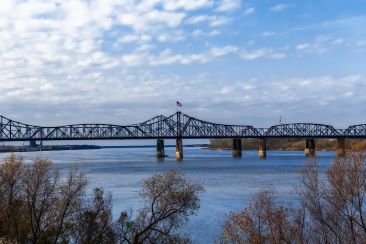
This river served as an early transportation corridor long before highways appeared. Canoes, rafts, and later steamboats carried goods and ideas. Farmers depended on it to ship crops. Merchants used it to expand trade networks. Entire economies formed along its edges. As settlements grew, towns turned into cities. The river became a backbone for national development and economic exchange.
Indigenous Civilizations and Sacred Connections
Long before modern navigation, Indigenous nations lived in harmony with the river. They understood its cycles and respected its power. Seasonal floods enriched soil for crops. Fishing provided reliable food sources. Spiritual beliefs tied water to life itself. Petroglyphs, burial mounds, and oral traditions still echo this relationship. These early civilizations laid the foundation for human life along the river corridor.
Colonial Influence and Cultural Layers
European explorers introduced new customs and governance. French settlements brought language and architecture. Spanish influence shaped southern regions. African traditions arrived through forced migration and blended with local culture. Over centuries, these layers formed a complex identity. Each river community reflects a different blend of heritage, visible in festivals, cuisine, and daily life.
Music Traditions Shaped by River Life
The slow, steady movement of Mississippi River influenced musical expression. Work songs helped laborers endure long days. Blues captured hardship and resilience. Jazz reflected the energy of port cities. Gospel carried hope through hardship. These genres traveled upstream and downstream, spreading across the nation. Today, music venues and heritage routes celebrate this lasting influence.
Storytelling, Literature, and Artistic Inspiration
Artists and writers found endless material in river life. Stories often centered on freedom, danger, and discovery. Novels portrayed childhood adventures and moral journeys. Painters captured misty mornings and glowing sunsets. These creative works shaped how people imagine the river, even before visiting. Art continues to preserve its emotional and symbolic power.
River Cruises and the Romance of Slow Travel
Cruising offers a unique way to experience the river's character. Paddlewheel vessels recall a historic era. Modern ships provide comfort without rushing the journey. Travelers watch landscapes unfold gradually. Guided shore excursions deepen understanding of local history. Onboard talks enrich each day. This unhurried pace allows reflection and connection.
Seasonal Experiences Along the Water
Each season transforms the Mississippi River experience. Spring brings rising waters and blooming wetlands. Summer offers lively river towns and festivals. Autumn paints banks with warm colors. Winter quiets the landscape, revealing stark beauty. Seasonal change keeps repeat visits fresh. Timing a journey adds a new layer of meaning.
Scenic Landscapes From North to South
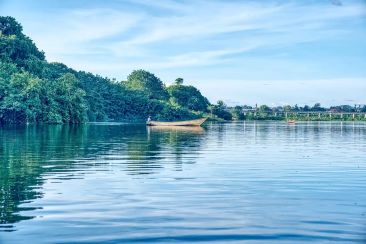
The river's visual appeal lies in its variety. Northern stretches feel intimate and calm. Midway regions open into broad agricultural plains. Southern areas expand into wetlands and marshes. Wildlife sightings differ by region. Light and weather constantly reshape views. Every bend offers a new scene worth pausing for.
Wildlife Corridors and Natural Habitats
This waterway supports one of North America's richest ecosystems. Migratory birds depend on its wetlands. Fish thrive in its varied depths. Forests and floodplains support countless species. Healthy ecosystems protect surrounding communities. Conservation efforts focus on balance rather than control. Observing wildlife enhances appreciation for natural systems.
Floods, Engineering, and Human Adaptation
Flooding shaped settlement patterns for centuries. Communities learned to adapt rather than resist. Levees and dams brought protection and challenges. Engineering projects altered natural flow. Balancing safety with ecological health remains ongoing. Understanding this relationship shows how humans and nature interact.
River Towns Preserving Local Identity
Small towns along the river retain strong character. Many developed around docks and mills. Historic buildings line main streets. Local museums share personal stories. Markets sell regional crafts and foods. These towns provide authentic encounters beyond major cities. Spending time here reveals everyday river life.
Urban Centers and Modern Riverfronts
Larger cities transformed their riverfronts into cultural hubs. Parks, walkways, and cultural centers invite visitors. Historic warehouses became art spaces. Public events celebrate river heritage. Urban renewal reconnects people with water. These spaces blend modern life with historic roots.
Culinary Heritage Rooted in the River
Food traditions reflect geography and culture. Freshwater fish appear in regional dishes. Southern cooking emphasizes bold flavors. Northern regions favor hearty comfort foods. Recipes passed through generations remain popular. Dining becomes storytelling through taste. Every meal reflects place and history.
Festivals and Community Celebrations
River festivals celebrate seasonal cycles and heritage. Music, food, and crafts take center stage. Boats decorate harbors during events. Locals welcome visitors warmly. These gatherings strengthen community bonds. Attending one offers genuine cultural immersion.
Recreation and Outdoor Activities
The Mississippi River supports diverse recreation. Kayaking offers quiet exploration. Fishing connects people to tradition. Birdwatching attracts nature enthusiasts. Walking trails follow scenic banks. These activities encourage slow engagement with surroundings. Outdoor experiences deepen appreciation.
Sustainable Tourism and Responsible Travel
Modern travel emphasizes preservation. Eco-tours educate visitors. Cruise operators reduce environmental impact. Communities promote respectful behavior. Travelers increasingly seek meaningful experiences. Responsible choices protect ecosystems and culture. Sustainability ensures the river remains vibrant.
The River in Modern American Identity
Despite technological change, the river remains symbolic. It represents movement, resilience, and unity. Stories continue to emerge from its banks. Artists still find inspiration. Travelers seek its calm and history. The river remains relevant in national identity.
Educational Value and Living History
Museums and interpretive centers line the banks. Exhibits explain ecology and history. Interactive displays engage all ages. Learning alongside the river feels immersive. Education helps preserve collective memory. Knowledge strengthens stewardship.
Future Challenges and Preservation Efforts
Climate change affects water levels and ecosystems. Pollution threatens habitats. Communities adapt through innovation. Preservation requires cooperation. Awareness drives action. Protecting this resource benefits future generations.
Conclusion: A Journey That Reflects America
Traveling along the Mississippi River reveals more than scenery. It uncovers shared history, cultural diversity, and natural beauty. Cruises offer reflection. Landscapes inspire awe. Communities welcome curiosity. This timeless waterway continues to shape stories, lives, and journeys across the nation.