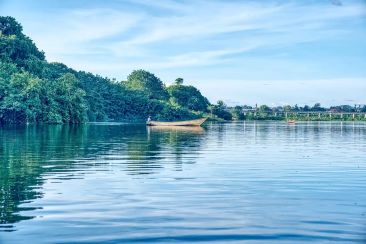
Saraswati Silent Sojourn: Houseboat Ride Along the Hidden River
Travel often celebrates movement, speed, and checklists. Yet some journeys like Saraswati Silent Sojourn invite the opposite response. They encourage stillness, patience, and quiet awareness. A houseboat drifting along a lesser-known river does exactly that. This sojourn is not about ticking off landmarks or chasing photographs. It is about surrendering to a slower rhythm and allowing the landscape to reveal itself without urgency.

This experience blends nature, mythology, and mindful travel into a single flowing narrative. As the boat glides gently, the Mandakini Pilgrim Float outside world fades. What remains is the sound of water, the rustle of reeds, and the subtle presence of history beneath the surface. The journey becomes as much internal as external, making it deeply personal and quietly transformative.
The Enigmatic Presence of the Saraswati River
The Saraswati has always occupied a unique space in Indian consciousness. Unlike rivers that dominate maps and skylines, this one exists between memory and geography. Ancient texts describe a mighty river that nourished early civilizations. Over time, its visible flow diminished, yet its spiritual and cultural relevance never disappeared.
Today, stretches associated with the Saraswati River evoke reverence rather than spectacle. Traveling here feels symbolic. You are not just navigating water but moving through layers of belief, archaeology, and oral tradition. The river's subtle presence adds emotional depth, turning a simple boat ride into a contemplative passage through time.
Why a Houseboat Suits This Hidden River Perfectly
Houseboats naturally encourage a slower pace, which aligns beautifully with the spirit of the Saraswati. Unlike fast-moving vessels or road travel, a houseboat allows uninterrupted immersion. There is no need to rush. The river itself dictates the rhythm.
As the boat of Saraswati Silent Sojourn glides forward, the environment unfolds gradually. This continuity creates a meditative flow where each moment blends seamlessly into the next. The gentle movement enhances observation and reflection, making the journey feel intentional rather than incidental. It is this harmony between vessel and river that elevates the experience beyond conventional travel.
Landscapes That Reveal Beauty Through Restraint
The scenery along the Saraswati does not announce itself loudly. Instead, it rewards attentiveness. Dry plains soften into wetlands after seasonal rains. Tall grasses sway quietly, and patches of green emerge unexpectedly.
Birdlife thrives in these calm stretches. Herons, kingfishers, and migratory species appear without warning, often lingering near the banks. Sunsets are understated yet profound, casting warm hues across still water. The absence of crowds allows nature to remain unfiltered, offering a rare sense of intimacy with the landscape.
Cultural Life Along the Quiet Riverbanks
Human presence along the Saraswati feels deeply rooted rather than performative. Villages near the river follow rhythms shaped by generations. Temples and shrines appear modest, blending into their surroundings instead of dominating them.
Local residents speak of the river with respect, often referencing stories passed down through families. Rituals continue quietly, without fanfare. Travelers who observe with sensitivity gain insight into a living culture rather than a curated attraction. This authenticity adds richness, making cultural encounters feel meaningful rather than transactional.
Life Onboard: Comfort Designed for Stillness
Houseboats operating on Saraswati Silent Sojourn prioritize simplicity and functionality. Interiors are designed to complement the surroundings, using natural materials and neutral tones. Large windows ensure the river remains central to the experience, whether you are resting or dining.
Meals onboard reflect regional flavors. Ingredients are often sourced locally, and dishes emphasize balance over excess. Shared spaces invite conversation, while private corners allow solitude. This thoughtful design supports both social connection and introspection, allowing each traveler to engage at their own pace.
The Ideal Seasons for a Serene Journey
Choosing the right season enhances the overall experience. Post-monsoon months bring renewed water flow and fresh greenery, transforming the landscape into a softer, more vibrant version of itself. Wildlife activity increases, making mornings especially rewarding.
Winter months offer comfortable temperatures and clear skies, ideal for extended time on deck. Summers, while quieter, can feel intense due to heat and fluctuating water levels. Understanding seasonal nuances ensures smoother navigation and greater comfort throughout the journey.
A Responsible Way to Explore a Sacred Landscape
The Saraswati holds deep spiritual significance, which calls for mindful travel practices. Responsible houseboat operators encourage minimal waste and reduced plastic use. Noise levels are kept low to preserve the tranquil environment.
Employing local crew members supports surrounding communities and preserves traditional knowledge. Travelers who respect local customs and natural boundaries contribute to the sustainability of this experience. Responsible choices ensure the river's serenity remains intact for future explorers.
Observing Wildlife Without Disrupting the Flow
Wildlife encounters along the Saraswati feel organic and unforced. Birds and small animals appear naturally, often when least expected. Patience becomes the key to observation. Early mornings and late afternoons offer the best opportunities for sightings.
Photography is best approached thoughtfully. Avoid intrusive equipment and respect natural behavior. Sometimes, simply watching without capturing allows deeper appreciation. The experience teaches that presence often outweighs documentation.
A Different Kind of River Journey
Many travelers instinctively compare this experience with popular backwater destinations. While both involve houseboats, the atmosphere differs significantly. Lively routes emphasize entertainment and social interaction. The Saraswati route emphasizes quiet and reflection.
Here, silence becomes a feature rather than a gap to be filled. The Saraswati Silent Sojourn appeals to those seeking solitude, depth, and cultural nuance. It offers a counterpoint to mainstream river tourism, focusing on internal enrichment rather than external stimulation.
Who Finds Meaning in This Experience
This journey resonates most with travelers who value introspection. Solo travelers often find clarity in the uninterrupted calm. Couples appreciate the space for genuine connection without distractions. Creative minds discover inspiration in the subtle interplay of water, light, and history.
Those seeking adventure sports or luxury indulgence may find the pace restrained. Understanding personal travel preferences ensures alignment with the experience, allowing it to unfold as intended.
Slow Travel as a Form of Inner Exploration
The true gift of the Saraswati Silent Sojourn lies in its ability to slow perception. Days are not measured by destinations but by moments. The gentle rocking of the boat encourages mindfulness, making even routine actions feel intentional.
Without constant stimuli, thoughts settle. Reflection becomes natural rather than forced. The river acts as a quiet companion, reminding travelers that stillness can be deeply fulfilling. This form of travel nurtures mental clarity and emotional balance.
How This Journey Connects Past and Present
Traveling along the Saraswati creates a dialogue between history and modern life. Ancient beliefs coexist with contemporary realities. Villagers use the river as they always have, while travelers arrive seeking meaning beyond leisure.
This coexistence enriches the experience. It highlights continuity rather than contrast, showing how landscapes evolve without losing essence. The journey becomes a reminder that progress and preservation can flow together.
Preparing for the Experience Mindfully
Preparation enhances enjoyment. Packing light supports comfort onboard. Neutral clothing blends with the environment and respects local sensibilities. Bringing books, journals, or sketchpads aligns well with the reflective nature of the journey.
Mental preparation matters too. Approaching the experience with openness allows it to unfold naturally. Letting go of rigid expectations creates space for unexpected moments of insight and connection.
Conclusion: When Silence Becomes the Destination
A houseboat journey along the hidden Saraswati offers more than scenic beauty. It offers perspective. Saraswati Silent Sojourn transforms travel into a quiet dialogue between self, river, and history.
This experience of Saraswati Silent Sojourn rewards patience and presence. It reminds travelers that silence can be restorative and movement does not always require speed. For those willing to slow down, the journey becomes unforgettable. It leaves behind a sense of calm that lingers long after the boat has docked.