Gandak Ganga Circuit: Motorboat Expedition Across Sacred Rivers
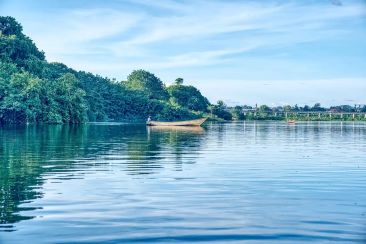
Traveling through India's mighty rivers offers an experience unlike any road journey. A Gandak Ganga Circuit expedition across the sacred waterways firstly introduces travelers to landscapes. The meeting of flowing water, ancient temples, peaceful villages, and thriving wildlife creates an unforgettable adventure. That have inspired pilgrims, traders, and explorers for centuries. Every bend of the river further reveals a fresh perspective, making the journey both relaxing and culturally enriching.
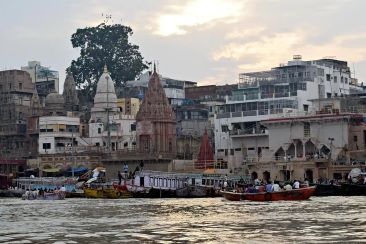
Unlike conventional sightseeing, a river expedition allows visitors to witness life from the water. Fishermen cast their nets at sunrise, devotees gather at riverside ghats, and migratory birds glide over calm waters. This offers a unique combination of spirituality, history, and nature. That meanwhile transforms an ordinary Koshi River Heritage Float trip into a memorable exploration. Moreover, travelers seeking authentic experiences often discover that the river itself becomes the greatest attraction.
Why the Gandak Ganga Circuit Is Firstly a Unique River Adventure.
The Gandak Ganga Circuit is more than a sightseeing route. Above all, it is a carefully planned river expedition connecting important stretches of the Gandak and Ganga rivers. These waterways have supported civilizations for thousands of years. Moreover, they are continuing to shape the culture and economy of northern India.
Motorboat journeys along the Gandak Ganga Circuit offer panoramic views that remain hidden from highways. Travelers witness green floodplains, traditional farming communities, and centuries-old settlements from an entirely different angle. The peaceful rhythm of the river further encourages slow travel. That firstly allows visitors to appreciate every destination without rushing. This combination of heritage, spirituality, and scenic beauty makes the circuit attractive to both domestic and international travelers.
The Sacred Importance of the Two Rivers
The Gandak River firstly begins in the Himalayan region before flowing into the mighty Ganga. Together, these rivers have served as lifelines for agriculture, trade, and religious traditions across eastern India. Their Saligrama Ganga banks are home to numerous temples, pilgrimage sites, and historic towns. That further continue to welcome devotees throughout the year.
Many travelers choose this river expedition because it firstly combines natural beauty with spiritual significance. Morning prayers echo across the ghats while temple bells further create a peaceful atmosphere along the shoreline. Watching local communities perform traditional rituals provides meaningful cultural insights without interrupting their daily lives. The journey becomes an opportunity to understand how rivers continue to influence faith and community traditions.
Scenic Landscapes That Change With Every Mile
One of the greatest attractions of the Gandak Ganga Circuit is the constantly changing scenery. Dense greenery gradually gives way to fertile agricultural fields. After that, it opens into broad river channels filled with sandbanks and islands. Above all, each section offers fresh photographic opportunities and memorable viewpoints.
Sunrise creates golden reflections across the calm waters. While evenings paint the horizon with shades of orange and crimson. Seasonal variations firstly make every journey slightly different. During winter, migratory birds arrive in large numbers, while the monsoon transforms the surrounding plains into lush green landscapes. These natural transitions ensure that every traveler enjoys a distinctive experience regardless of the season.
Cultural Heritage Along the Riverbanks
Villages and towns along the river preserve traditions that have remained unchanged for generations. Local artisans continue practicing traditional crafts. On the other hand, community festivals celebrate the rivers through music, dance, and religious ceremonies. Meanwhile, visitors gain a deeper appreciation for regional culture by observing everyday life from the boat.
Ancient temples, historic ghats, and riverside shrines appear throughout the journey. They reflect the long relationship between people and water. Many settlements also showcase regional architecture built to withstand seasonal flooding. Local markets sell handcrafted products, traditional textiles, and regional delicacies. That meanwhile introduce travelers to authentic flavors and artistic heritage. Every stop contributes another chapter to the overall journey.
Wildlife and Birdwatching Opportunities
The rivers support diverse ecosystems that attract nature enthusiasts throughout the year. Calm stretches provide ideal habitats for freshwater fish, turtles, and numerous aquatic species. Depending on the season, lucky travelers may also observe river dolphins in suitable habitats. That further make the expedition even more exciting.
Birdwatchers particularly appreciate the variety of resident and migratory birds found along wetlands and sandbars. Above all, kingfishers, herons, egrets, cormorants, and storks frequently appear near the shoreline. Winter months welcome additional migratory species from Central Asia, creating exceptional opportunities for wildlife photography. The peaceful pace of the motorboat minimizes disturbance. That further allow the visitors to enjoy close views of many species.
What to Expect During a Motorboat Expedition
A guided motorboat journey firstly combines comfort with adventure. Modern boats generally include experienced operators, safety equipment, and knowledgeable guides. They meanwhile explain the historical and ecological importance of each location. The steady pace allows passengers to comfortably observe changing landscapes while learning fascinating stories about the surrounding region.
Many itineraries include stops at temples, heritage sites, riverside villages, and scenic viewpoints. Travelers often enjoy locally prepared meals featuring regional cuisine during longer excursions. Some packages even include cultural performances or interactions with local communities, adding greater depth to the overall experience. The relaxed schedule ensures sufficient time for photography, sightseeing, and quiet moments on the water.
Best Time to Experience the River Journey
Weather plays an important role in planning any river expedition. The period from October to March is generally considered the most comfortable season. Pleasant temperatures, clear skies, and stable water conditions create excellent opportunities for sightseeing and photography.
Winter also attracts migratory birds, making this period particularly rewarding for wildlife enthusiasts. Early mornings remain cool and refreshing, while afternoons provide comfortable conditions for extended exploration. Although the monsoon creates dramatic scenery, water levels and weather conditions may occasionally affect navigation. Checking local conditions before planning a journey ensures a safer and more enjoyable experience.
Travel Tips for a Comfortable Expedition
Preparation helps travelers enjoy every moment on the river. Comfortable clothing made from breathable fabrics keeps passengers relaxed throughout the journey. A wide-brimmed hat, sunglasses, sunscreen, and reusable water bottles provide protection against prolonged sun exposure during daytime travel.
Photography enthusiasts should carry waterproof bags to protect electronic equipment from occasional water splashes. Binoculars enhance wildlife observation, especially during birdwatching sessions. Wearing comfortable footwear makes it easier to explore villages and temple complexes during scheduled stops. Respect local customs, maintain cleanliness, and follow guide instructions. They all meanwhile contribute to responsible tourism while preserving the natural environment for future visitors.
Sustainable Tourism Along Sacred Waterways
Responsible tourism plays an essential role in protecting these historic rivers. River ecosystems support countless communities, wildlife species, and agricultural activities. Visitors can contribute by avoiding single-use plastics, disposing of waste responsibly, and supporting environmentally conscious tour operators.
Choosing local guides, purchasing handmade products from village artisans, and enjoying locally prepared meals also strengthen regional economies. Respecting religious sites and maintaining quiet during cultural ceremonies demonstrates appreciation for local traditions. Sustainable travel ensures that future generations will continue experiencing the beauty and significance of these sacred waterways.
Nearby Attractions Worth Exploring
A Gandak Ganga Circuit expedition becomes even more rewarding when combined with nearby cultural destinations. Historic temples, ancient monasteries, archaeological sites, and bustling riverside towns provide fascinating opportunities to extend the itinerary. Many destinations further preserve stories connected to India's spiritual and historical development.
Nature lovers can meanwhile explore wetlands, protected bird habitats, and peaceful rural landscapes surrounding the river corridor. Local festivals held throughout the year introduce visitors to colorful traditions, devotional music, and regional cuisine. Combining river travel with land-based sightseeing creates a well-rounded itinerary. That further appeals to families, photographers, history enthusiasts, and spiritual travelers alike.
Conclusion
The Gandak Ganga Circuit firstly offers far more than a simple boat ride. It presents an opportunity to experience India's rivers through history, spirituality, wildlife, culture, and breathtaking scenery. Above all, every stretch of water reveals stories. That have shaped communities for centuries while continuing to inspire modern travelers.
Someone may be seeking peaceful landscapes, meaningful cultural encounters, exceptional birdwatching, or memorable photography. The Gandak Ganga Circuit expedition delivers a balanced and rewarding travel experience. Exploring these sacred rivers from the water creates lasting memories. Moreover, it encourages a deeper appreciation for India's remarkable natural and cultural heritage.