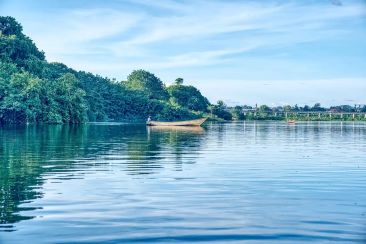
Explore Sundarbans Mangrove Safari: A Unique Delta Adventure
At the southern edge of West Bengal lies a landscape shaped by tides, silence, and survival. A Sundarbans Mangrove Safari introduces travelers to raw wilderness, slow travel, and deep ecological awareness. The Sundarbans are not just forests or rivers. They are a living delta where land and water constantly negotiate space. Here, mangroves rise from brackish creeks, wildlife adapts to extreme conditions, and human life follows nature's rhythm. Exploring this region is unlike any other journey in India. This adventure is less about ticking attractions and more about understanding balance.

Understanding the Sundarbans: Where Rivers Meet the Sea
The Sundarbans form the world's largest mangrove forest system. It spreads across India and Bangladesh, covering thousands of square kilometers. Hundreds of rivers, including the Ganga, Brahmaputra, and Meghna, feed this delta. Their sediments create islands that constantly shift shape. Some disappear within decades. Others emerge quietly from the water. This unstable geography defines life here. Roads are rare. Boats act as lifelines. Nature decides access, movement, and survival.
The Mangrove Ecosystem: A Masterclass in Adaptation
Mangroves thrive where most plants cannot. Their roots grow above ground, breathing through saltwater soil. Leaves filter salt to survive harsh conditions. This adaptation creates dense green walls along riverbanks. Mangroves prevent coastal erosion and reduce storm impact. They act as natural barriers against cyclones. They also support marine life by serving as breeding grounds. Fish, crabs, and mollusks depend on these roots. The health of the delta depends entirely on this ecosystem.
Wildlife of the Sundarbans: Survival in Silence
Wildlife here lives differently than in mainland forests. The Royal Bengal Tiger is the most famous inhabitant. These tigers are strong swimmers and highly territorial. They adapt to limited prey and tidal changes. Saltwater crocodiles lurk beneath murky waters. Spotted deer form large herds near forest edges. Wild boars forage in muddy clearings. Smaller mammals, reptiles, and amphibians fill ecological gaps. Birdlife remains abundant throughout the year, especially along waterways.
River Safaris: Exploring Through Creeks and Channels
Movement in the Sundarbans happens through water. Safaris operate using motorboats designed for narrow channels. These waterways twist deep into protected forest zones. The pace remains slow and observant. Guides watch for animal tracks on muddy banks. Silence improves chances of sightings. Observation towers offer elevated views without disturbance. A Sundarbans Mangrove Safari relies on patience rather than pursuit. The experience feels meditative, shaped by ripples and birdsong.
Best Seasons to Experience the Delta
Planning the Sundarbans Mangrove Safari in right season makes a major difference. Winter months from November to February are most comfortable. Temperatures remain mild and humidity stays low. Wildlife sightings improve during this period. March and April bring rising heat but clearer skies. Monsoon months see heavy rainfall and strong currents. Some safari routes close for safety. Post-monsoon months restore greenery and bird activity. Each season offers a different personality of the delta.
Life Along the Forest Edge: Villages of Resilience
Thousands of people live around the Sundarbans buffer zones. Their lives depend on fishing, farming, and forest resources. Honey collectors enter forests during specific seasons. Fishermen read tides better than clocks. Houses often stand on raised platforms to avoid floods. Boats serve as daily transport. Education and healthcare access remain limited. Despite challenges, communities display remarkable resilience. Their coexistence with wildlife offers powerful lessons in adaptation.
Folklore and Faith: Spiritual Roots of the Sundarbans
Belief systems here reflect constant risk. Bonbibi, the forest protector, holds deep cultural importance. Shrines dedicated to her stand near forest entrances. She symbolizes harmony between humans and wildlife. Rituals seek protection before entering forests. Stories pass orally through generations. These traditions foster respect rather than domination. Spirituality becomes a survival tool. Travelers who learn these stories understand the region beyond landscapes.
Conservation Challenges and Environmental Threats
The Sundarbans face serious environmental pressures. Rising sea levels threaten low-lying islands. Climate change increases cyclone frequency. Salinity intrusion affects agriculture and drinking water. Human-wildlife conflict grows as habitats shrink. Conservation efforts focus on habitat protection and community involvement. Sustainable tourism supports these initiatives. A responsible Sundarbans Mangrove Safari contributes to awareness and funding for preservation. Long-term survival depends on global attention.
Eco-Tourism: Traveling with Responsibility
Tourism here follows strict regulations. Core forest zones limit visitor numbers. Plastic usage is discouraged or banned. Lodges adopt solar energy and rainwater harvesting. Local guides receive wildlife training. Responsible tourism minimizes disturbance. Visitors are encouraged to observe quietly. Supporting local businesses boosts alternative livelihoods. Eco-tourism creates incentives to protect forests rather than exploit them. Conscious travel choices matter deeply in fragile landscapes.
What a Typical Safari Itinerary Looks Like
Most journeys begin from Kolkata. Travelers reach entry points like Godkhali by road. Boats then transfer guests to lodges. Days start early with river cruises. Forest permits allow access to specific zones. Midday breaks include meals and rest. Afternoons may feature village walks or cultural programs. Evenings remain calm and device-free. Electricity availability may be limited. This slower rhythm defines the experience.
Photography and Observation: Seeing Without Disturbing
Photography here requires patience. Wildlife rarely appears on command. Long lenses help capture distant subjects. Sudden movements scare animals easily. Early mornings provide the best light. Reflections on water create dramatic compositions. Birds offer frequent opportunities. However, the focus remains observation rather than collection. Sometimes the absence of sightings becomes meaningful. The forest teaches humility through unpredictability.
Safety Measures and Visitor Guidelines
Safety rules protect both visitors and wildlife. Entering forests without permits is prohibited. Standing during boat rides is restricted. Feeding animals is strictly banned. Loud noises disrupt habitats. Following guide instructions ensures smooth experiences. Medical facilities remain limited inside forest areas. Carry essential medications. Prepared travelers enjoy safer and more respectful journeys.
Why This Experience Feels Different from Other Safaris
Most safaris rely on vehicles and open plains. The Sundarbans rely on water and concealment. Wildlife rarely reveals itself fully. This creates anticipation rather than spectacle. The forest feels dominant and mysterious. Humans become observers, not controllers. A Sundarbans Mangrove Safari emphasizes ecosystem understanding over sightings. That philosophical shift makes the journey unique.
Sustainable Travel Tips for Conscious Explorers
Choose certified eco-lodges. Avoid single-use plastics. Support local guides and artisans. Respect cultural norms during village visits. Limit water and electricity use. Share awareness after returning home. Responsible behavior extends impact beyond the trip. Sustainable travel protects experiences for future generations.
Preparing Mentally for the Delta Experience
This journey requires realistic expectations. Wildlife sightings are not guaranteed. Comfort levels may differ from urban travel. Connectivity remains limited. Weather can change suddenly. Flexibility enhances enjoyment. Those seeking silence and learning will find fulfillment. The forest rewards patience more than urgency.
The Emotional Impact of Exploring the Sundarbans
Many travelers describe lasting impressions. The quiet stays memorable. The feeling of vulnerability humbles the mind. Observing coexistence reshapes perspectives. Nature feels powerful yet fragile. This emotional connection outlives photographs. Experiences here often inspire environmental responsibility. The delta leaves subtle but deep marks.
Conclusion: A Journey into Nature's Balance
The Sundarbans offer more than adventure. They offer perspective. This delta teaches adaptation, respect, and restraint. Every creek whispers stories of survival. Every tide reshapes reality. A Sundarbans Mangrove Safari invites travelers to slow down and listen. Those who accept its rhythm gain understanding beyond travel. In a world rushing forward, the Sundarbans remain timeless, patient, and profoundly alive.